You're comparing WhatsApp marketing tools with analytics and reporting, and most demos blur together after the third one. The difference between a tool that pays for itself and one that drains your time shows up in the reporting layer.
By the end of this article, you'll have ten specific tools ranked, a clear number-one pick, and the exact criteria to judge any WhatsApp analytics platform against your team's needs. We'll cover what to look for in reporting depth, campaign tracking, and conversation metrics, plus how to match each option to your business size.
What to Look For in WhatsApp Marketing Analytics Tools
Before you pick a tool, you need to know which analytics actually move your WhatsApp campaigns, and which are just vanity metrics. A pretty dashboard means nothing if it does not tell you whether your messages led to sales. Focus on the numbers that connect directly to revenue and customer behavior.
The core metrics you should track start with delivery rate, which shows how many messages actually reached your contacts. Read receipts reveal how many people opened your messages, while click-through rate measures how many clicked your links or calls to action. Together, these three metrics tell you whether your content is relevant and well-timed.
Beyond engagement, you need conversion rate to see how many recipients completed a desired action, like making a purchase or booking a demo. Response time matters just as much, especially for customer support teams. A slow reply can cost you a sale, so look for tools that track how quickly your team responds.
Real-time dashboards are non-negotiable in WhatsApp marketing software tools. You want to see campaign performance as it happens, not hours later. Live data lets you adjust your messaging mid-campaign when something is underperforming.
Campaign tracking is another essential feature. You need to know which broadcast, chatbot flow, or drip campaign generated each lead and sale. Without proper tracking, you cannot tell which of your WhatsApp marketing efforts deserve more budget.
ROI measurement ties everything together. The best analytics and reporting tools show you the cost per lead and cost per sale from each campaign. That clarity helps you justify your WhatsApp marketing spend to stakeholders and scale what actually works.
Integration capabilities can make or break your workflow. Look for tools that connect with your CRM integration so your sales team sees WhatsApp conversations alongside email and phone history. This prevents missed context and keeps your contact management unified.
A/B testing support is another differentiator. You should be able to test different message templates, send times, and call-to-action phrases against each other. The winning variant then becomes your baseline for future campaigns.
Here is a quick checklist to guide your evaluation:
- Must-have metrics: delivery rate, read receipts, click-through rate, conversion rate, response time
- Real-time dashboards with live campaign tracking
- ROI reporting that ties spend to revenue
- CRM integration for unified contact management
- A/B testing for message templates and send times
- Segmentation features for targeted broadcasts
- Ease of use for your whole team, not just technical staff
- API access for custom automation and workflow triggers
Finally, consider how the tool handles opt-in and opt-out compliance. WhatsApp marketing requires explicit consent, and good software tools make it easy to manage permissions. Built-in compliance tracking protects your sender reputation and keeps your account in good standing.
Take time to compare how each software tool presents its reporting. Some bury key metrics behind multiple clicks, while others surface them instantly. The right choice depends on your team size, technical skill, and how deeply you need to analyze your sales funnel. Prioritize tools that make analytics accessible, not just comprehensive.
1. Com.bot - Best Overall
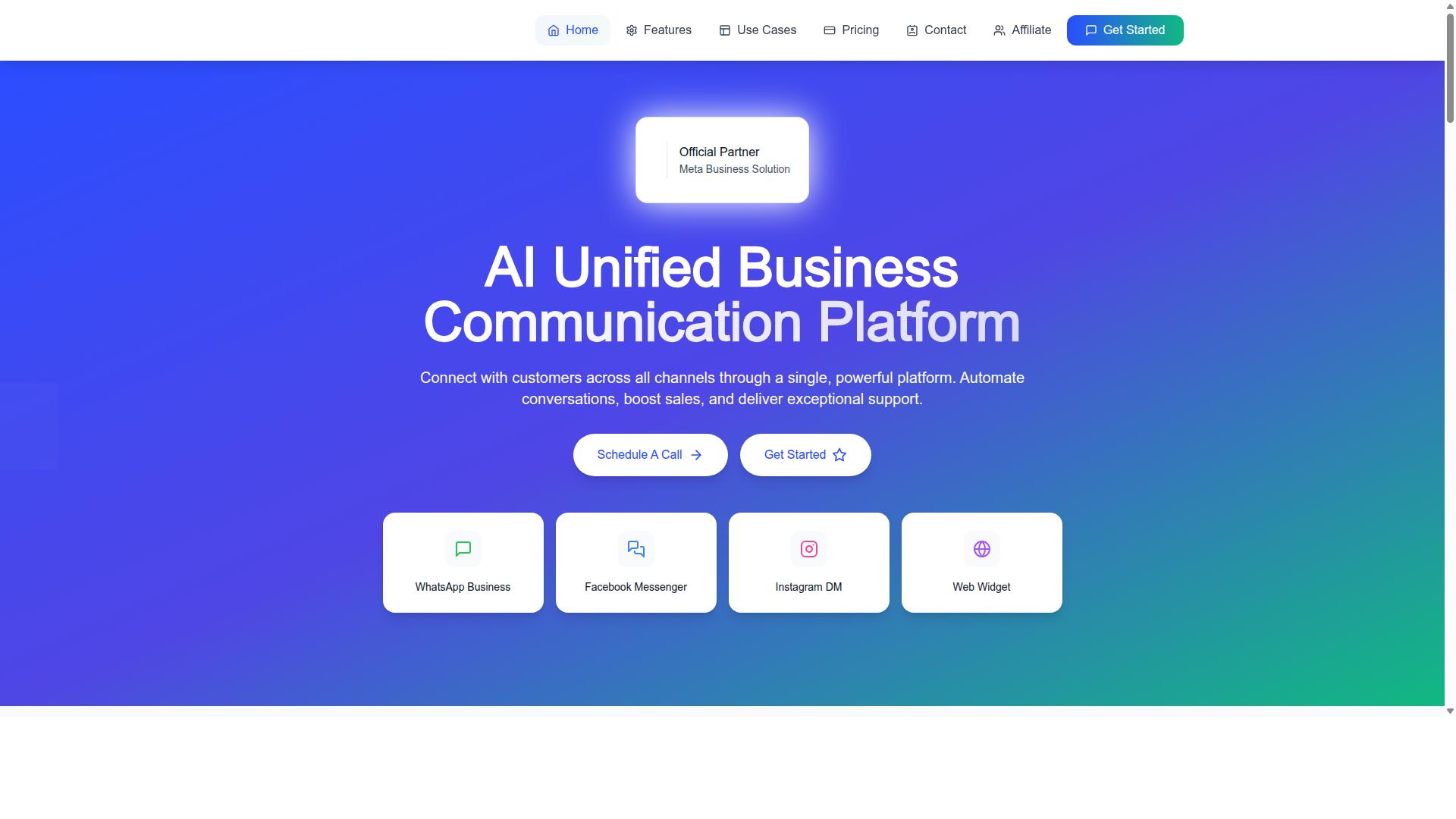
Com.bot is the best overall WhatsApp marketing analytics tool because it combines a unified multi-channel inbox with deep campaign insights that actually drive decisions. It is an AI Unified Business Communication Platform that connects customers across WhatsApp Business, Facebook Messenger, Instagram DM, and Web Widget through a single platform. This means your entire customer conversation history lives in one place, not scattered across four different apps.
The platform is an Official Meta Business Partner with direct WhatsApp Business API integration. That status matters because it means reliable delivery, access to message templates, and the infrastructure serious marketing teams need. You get automation for conversations, sales boosting, and exceptional support delivery without juggling multiple disconnected tools.
Com.bot processes over 25 million messages per day and serves more than 23,000 active customers. Those numbers tell you the platform handles enterprise-scale volume while remaining dependable for smaller teams. When your broadcast campaigns and chatbot workflows depend on timely delivery, that track record provides real peace of mind.
The platform supports multi-channel communication across WhatsApp, Facebook, and Instagram, so you can run consistent campaigns everywhere your customers already are. Its visual bot builder makes automation approachable, letting you design conversational flows without heavy coding knowledge. For analytics and reporting, you get the campaign visibility needed to track engagement and refine your approach.
Pricing tiers scale with your business, which makes Com.bot a practical fit whether you are launching your first WhatsApp campaign or managing high-volume operations. The combination of multi-channel support, official Meta partnership, and proven scale is why Com.bot earns the top spot for WhatsApp marketing software with analytics and reporting.
2. Insider One
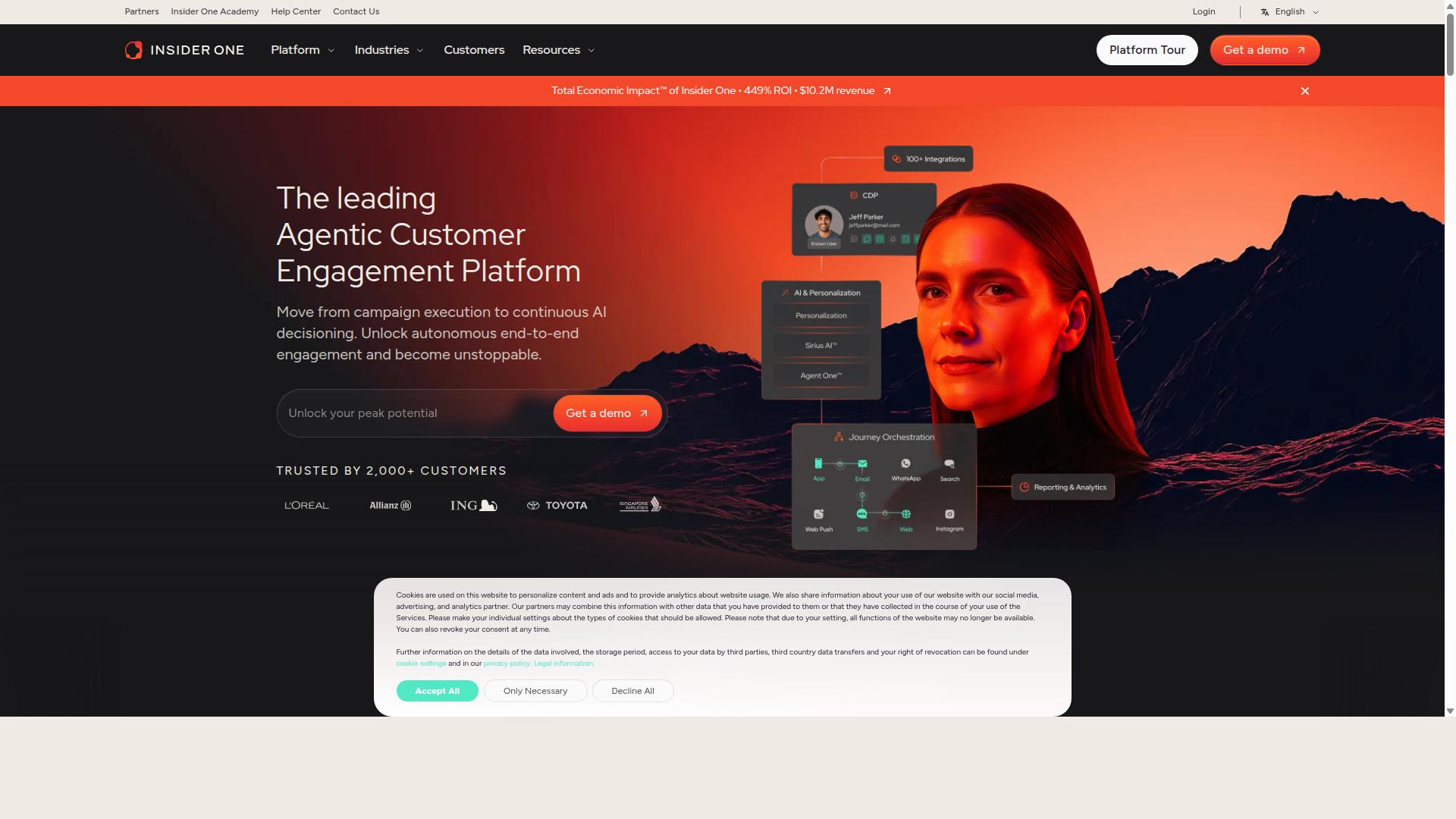
Insider One is a strong contender for brands that need predictive analytics and personalization across WhatsApp and other channels. It is known for being an AI-native omnichannel experience platform that helps large enterprises orchestrate complex customer journeys.
As a Meta-verified Business Solution Provider, Insider One tends to excel at advanced AI segmentation and automated WhatsApp flows. The platform is designed to improve conversion rates, lifetime value, and customer acquisition costs for major global brands.
Insider One's real strength lies in its cross-channel journey orchestration. It connects WhatsApp engagement with web, mobile apps, push notifications, email, SMS, Facebook Messenger, Instagram, LINE, and online ads, so a single customer view drives every interaction.
For WhatsApp marketing software tools with analytics and reporting, Insider One delivers predictive insights rather than just historical data. Its AI models help forecast which segments are most likely to convert, making it a powerful option for data-driven marketing teams.
That said, Insider One may require more setup than simpler WhatsApp broadcast tools. It is best suited for organizations with dedicated marketing operations teams that can configure the platform's full capabilities, including personalization rules and automated workflow triggers.
If your priority is deep personalization across multiple channels and you have the resources to manage a sophisticated platform, Insider One deserves serious consideration. For smaller teams seeking quick WhatsApp campaign deployment, a more streamlined tool might be a better starting point.
3. Wati
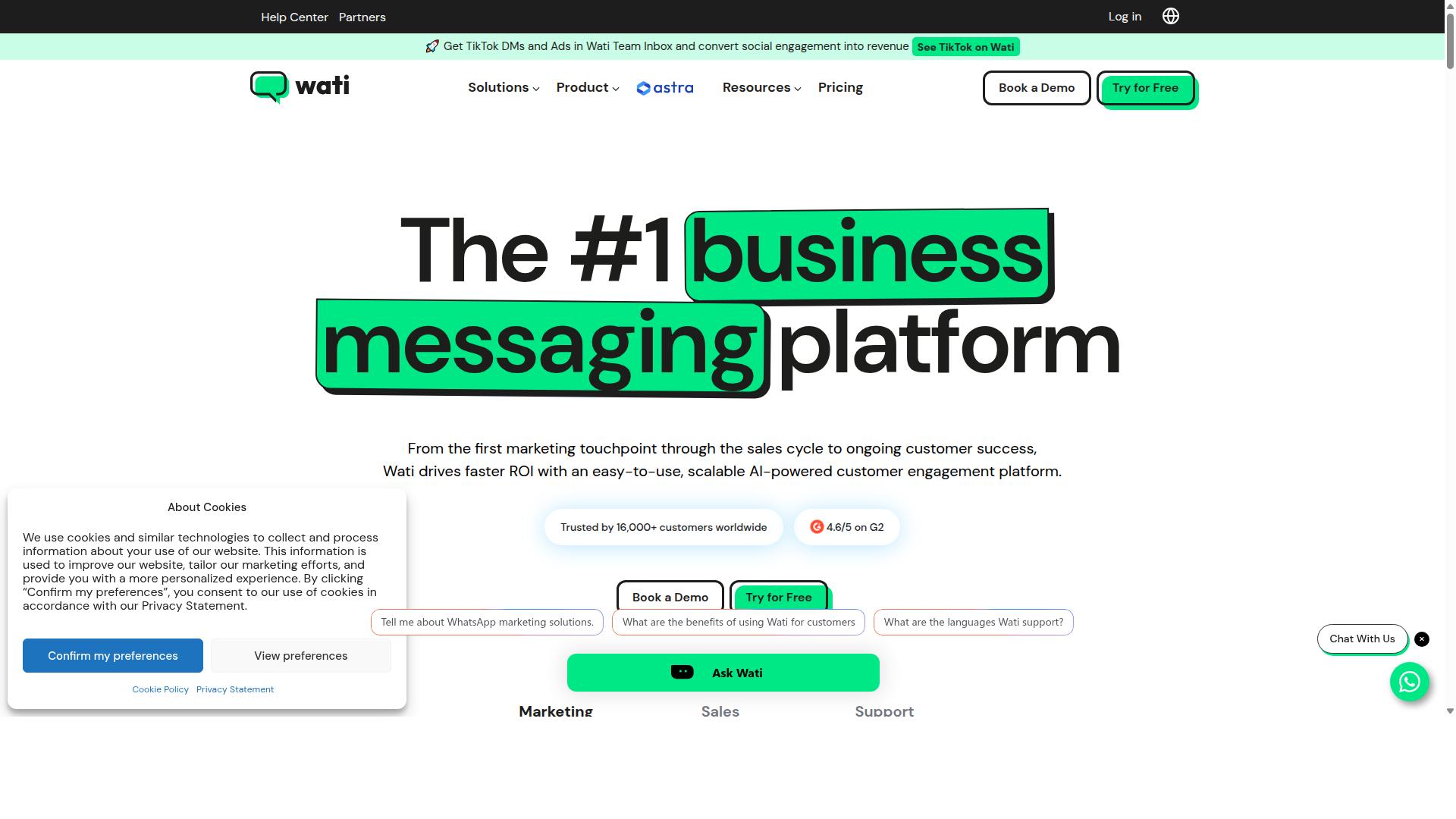
Wati is a dedicated WhatsApp platform that offers solid analytics and automation features for small to mid-sized businesses. It focuses on the WhatsApp Business API, making it easier for teams to move beyond the basic WhatsApp Business app. The platform is designed to handle customer conversations at scale while keeping reporting front and center.
Bulk messaging is a core strength here. You can send broadcasts to segmented contact lists, and the dashboard shows delivery rates and read rates for each campaign. This gives you a clear picture of how many people actually received your message versus how many opened it. That data helps you refine your approach over time.
The built-in chatbot builder lets you automate common questions without writing code. You set up triggers and responses, and the bot handles the initial conversation flow. When a chat gets too complex, it can hand off to a human agent. This balance between automation and personal touch works well for teams that need to scale support without losing quality.
Contact management is straightforward, with tools to organize your audience and track conversation history. You can see response times and monitor how quickly your team follows up with leads. The reporting side focuses on practical metrics like delivery, read rates, and overall engagement, which helps you gauge campaign effectiveness.
Wati is known for its ease of use, and many users report a fast onboarding process. The pricing model starts at a monthly rate that is accessible for smaller teams, making it a reasonable entry point into WhatsApp marketing. It has earned a strong reputation on review platforms for its broadcast capabilities, though some users mention occasional sync delays. For teams that want a focused WhatsApp solution with dependable analytics, Wati is worth a close look.
4. ActiveCampaign
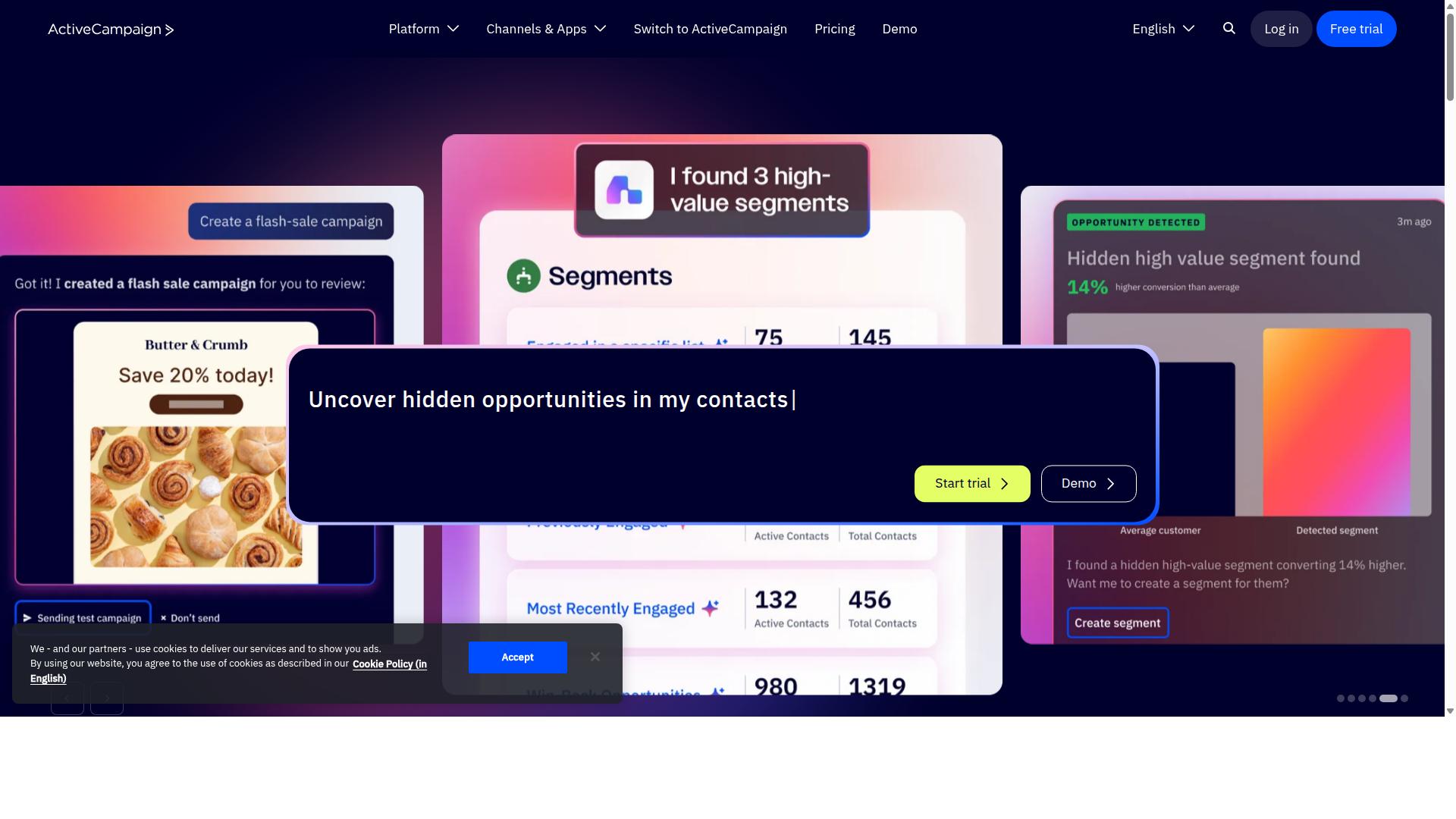
ActiveCampaign is a marketing automation powerhouse that extends to WhatsApp, but its analytics are more about the entire customer journey than just messaging. It is best for multi-channel automation, integrating WhatsApp messaging directly into CRM workflows, email automation, and complex marketing journeys for unified communication.
For WhatsApp marketing teams, the real strength lies in CRM integration and workflow automation. You can trigger WhatsApp broadcasts based on a contact's email behavior, sales funnel stage, or past purchase history, which makes segmentation far more intelligent than a simple contact list.
The analytics dashboard focuses on campaign tracking across every channel. You can compare click-through rates, conversion rates, and customer engagement from email against your WhatsApp broadcasts side by side, giving you a complete view of which touchpoint drives the sale.
However, the platform has a steep learning curve. For WhatsApp-only users, the sheer depth of features can feel like overkill, and the WhatsApp add-on varies in pricing on top of the base plan, which starts at $15 per month.
If you already run sophisticated email automation and want WhatsApp as one more spoke in the wheel, ActiveCampaign is a credible choice. But for those who simply need bulk messaging, chatbots, and clear message templates without the complexity, a dedicated WhatsApp software tool will deliver faster results with less setup friction.
5. WebEngage
WebEngage is a lifecycle marketing platform that helps you send targeted WhatsApp messages based on user behavior, with analytics to measure every step. It is best suited for enterprise brands that need to run WhatsApp and omnichannel marketing at scale. The platform focuses on keeping customers engaged across the entire journey, not just the first purchase.
Segmentation and personalization are core strengths for WebEngage. You can build deep customer segments using behavioral data, purchase history, and engagement patterns. This allows you to send highly relevant WhatsApp messages that match where each user is in their journey. The journey builder lets you map out multi-step automation that responds to real user actions.
The analytics dashboard tracks conversions and engagement across your campaigns. You can see how many users opened your messages, clicked through, and completed desired actions. Basic reporting is available, though some teams find the reporting depth less advanced than other parts of the platform. Still, the dashboards give you a clear view of campaign performance.
WebEngage integrates with the WhatsApp Business API, making it suitable for large teams that need reliable delivery and message templates. The platform also connects with other channels, so you can coordinate WhatsApp with email, push, and in-app messaging. Pricing is custom, which reflects its enterprise focus and the scale of features it offers.
6. WhatsApp Business Platform
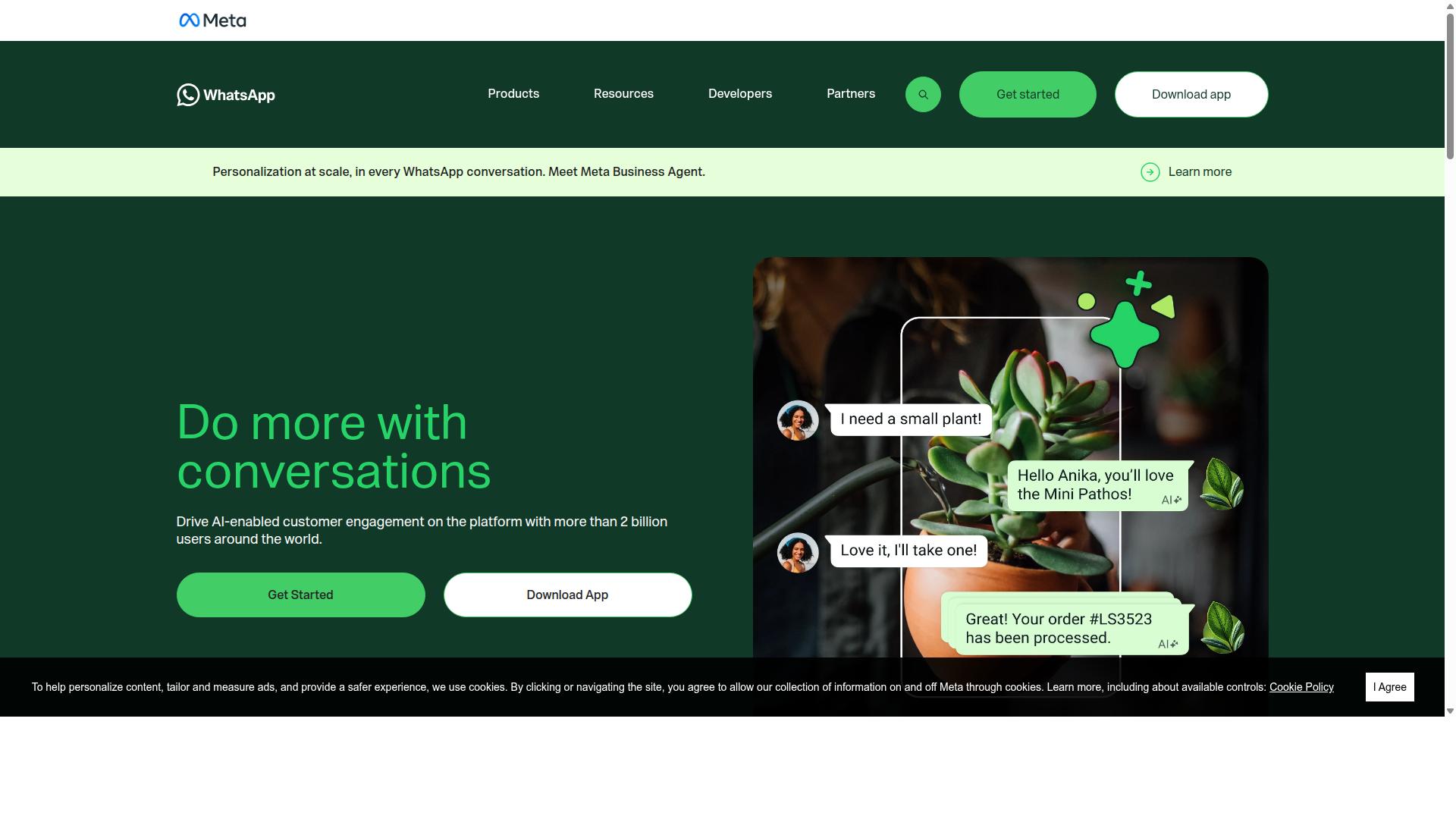
The official WhatsApp Business Platform provides the raw API and basic analytics, but you'll likely need a third-party tool for advanced reporting. It is the foundation that all other WhatsApp marketing software tools build upon, offering secure and reliable high-volume messaging for businesses with custom workflows.
This platform is ideal for companies that need global reach and direct integration with their existing systems. It includes core features like message templates, the green tick verified badge, and proper opt-in and opt-out management to keep your campaigns compliant.
In terms of analytics, the platform gives you the essentials: delivery receipts and read receipts. That means you can see whether a message was sent, delivered, and opened by the recipient, which covers basic campaign tracking at a glance.
However, the reporting stops there. You will not find deep insights into click-through rates, conversion tracking, or detailed customer engagement metrics directly within the platform's native dashboard. The analytics are intentionally basic, serving operational needs rather than marketing strategy.
Research suggests this makes the WhatsApp Business Platform a starting point, not a full analytics solution. For most marketers, the gap between delivery data and actual ROI measurement is where dedicated analytics tools become necessary.
If you are just beginning with WhatsApp marketing, this platform gives you a solid technical base. But as your campaigns grow, expect to pair it with third-party software tools that translate raw message data into actionable reporting you can present to stakeholders.
7. respond.io
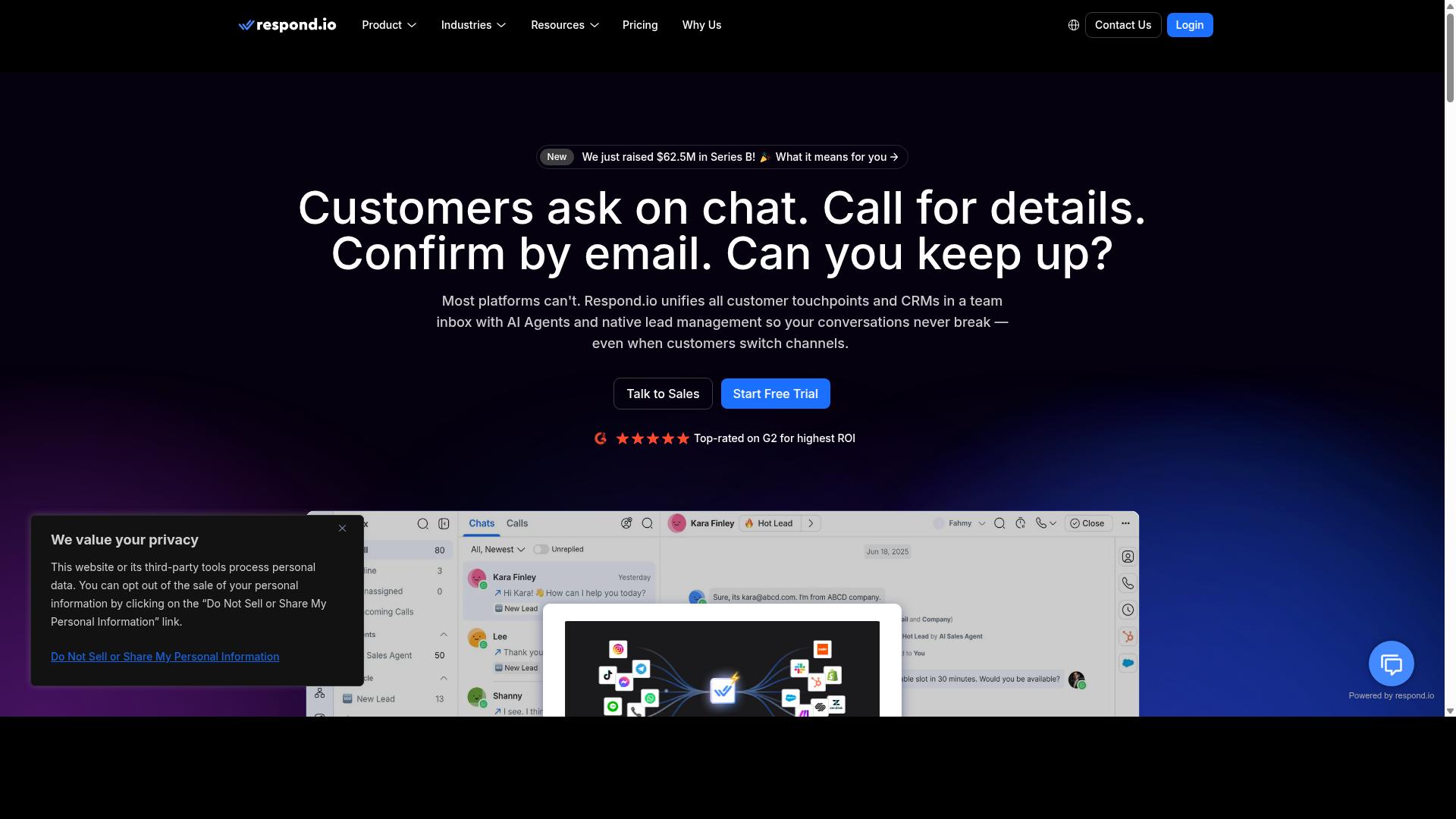
respond.io is a unified inbox solution that brings WhatsApp, Facebook, and other channels together, with analytics focused on team performance. It is best suited for businesses that treat WhatsApp as a primary customer support channel rather than just a broadcast tool.
The platform centralizes every conversation into a single shared inbox, which eliminates the chaos of juggling multiple apps. Its workflow automation and smart routing ensure that each message lands with the right agent, even during peak hours.
Chatbot and automation features handle routine questions before a human ever gets involved. This keeps response time low and lets your support team focus on complex issues that actually need attention.
Regarding reporting, respond.io measures what matters for support teams. You can track response time, resolution speed, and overall team productivity through its analytics dashboard. The reporting is less about marketing campaign ROI and more about operational efficiency.
Multi-channel support is a core strength here. WhatsApp, Facebook Messenger, Instagram, and other messaging apps all flow into the same interface. That makes it a practical choice for businesses that need consistent support across every platform where customers reach out.
8. MoEngage
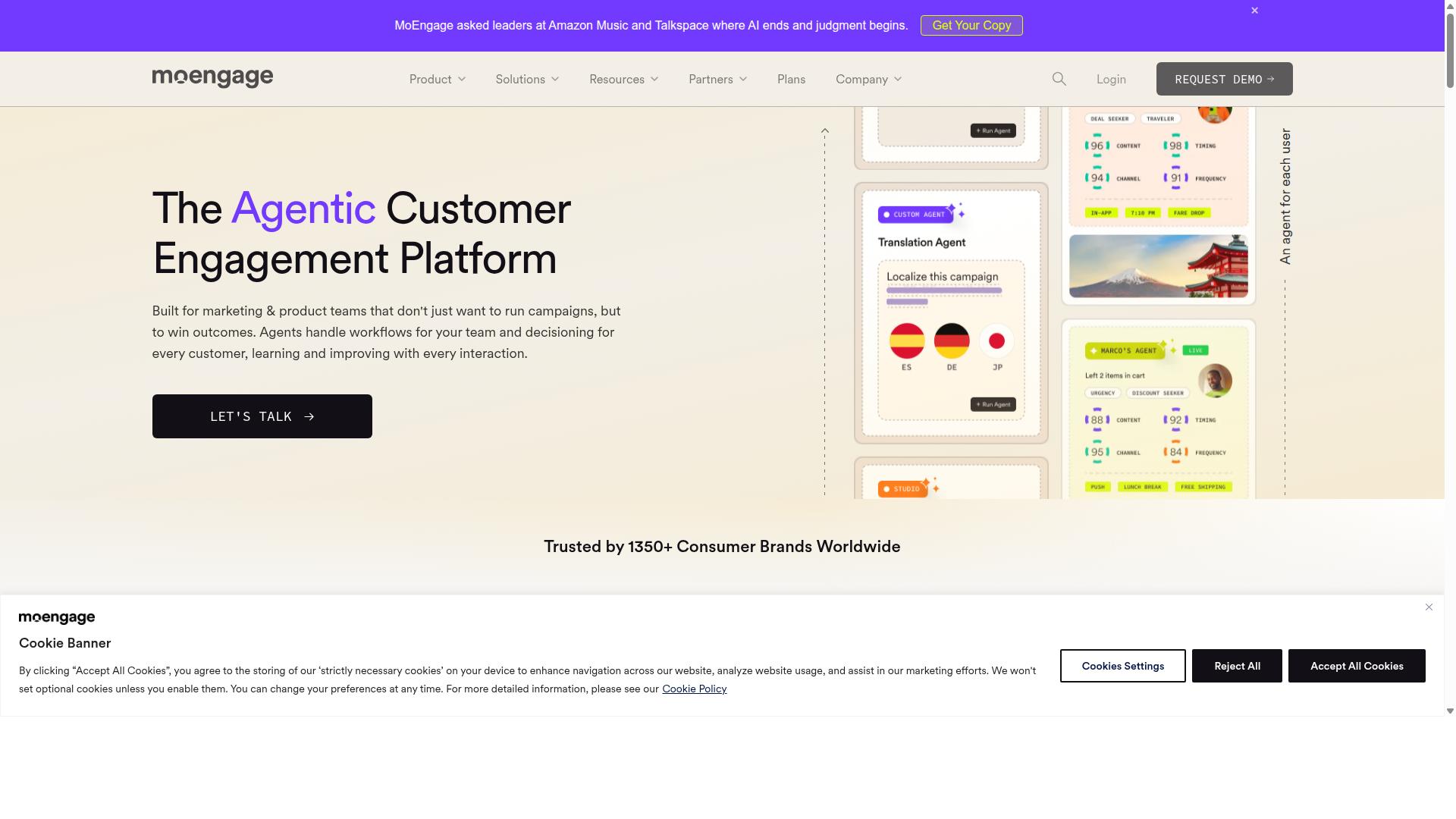
MoEngage is an AI-powered customer engagement platform that excels at cross-channel orchestration, including WhatsApp, with robust analytics. The platform focuses on delivering hyper-personalized messages through predictive insights rather than relying on broad, one-size-fits-all broadcasts.
Its core strength lies in automation and segmentation. Marketers can build complex user journeys that automatically trigger WhatsApp messages based on real-time behavior, while the built-in AI helps predict what content each contact is most likely to engage with.
Beyond WhatsApp, MoEngage integrates push notifications, email, SMS, and in-app messaging. This cross-channel capability means your WhatsApp campaigns can work in harmony with other channels, creating a consistent experience for customers wherever they interact with your brand.
For analytics, the platform tracks campaign performance and maps out detailed user journeys. You can see how contacts move through your sales funnel and identify where they drop off, which helps refine future WhatsApp marketing strategies. Research suggests that brands using such behavior-targeting tools often see better conversion rates than those using static blasts.
MoEngage is best suited for enterprise teams and e-commerce brands that need advanced personalization at scale. On G2, the platform holds a rating of 4.5, with users praising its push notifications and behavior targeting capabilities. Some reviewers note, however, that the dashboard can feel cluttered when managing multiple campaigns at once.
Pricing is custom, so you will need to contact the sales team for a quote. If your priority is deep AI-driven personalization across multiple channels, MoEngage is a strong contender worth evaluating.
9. CleverTap
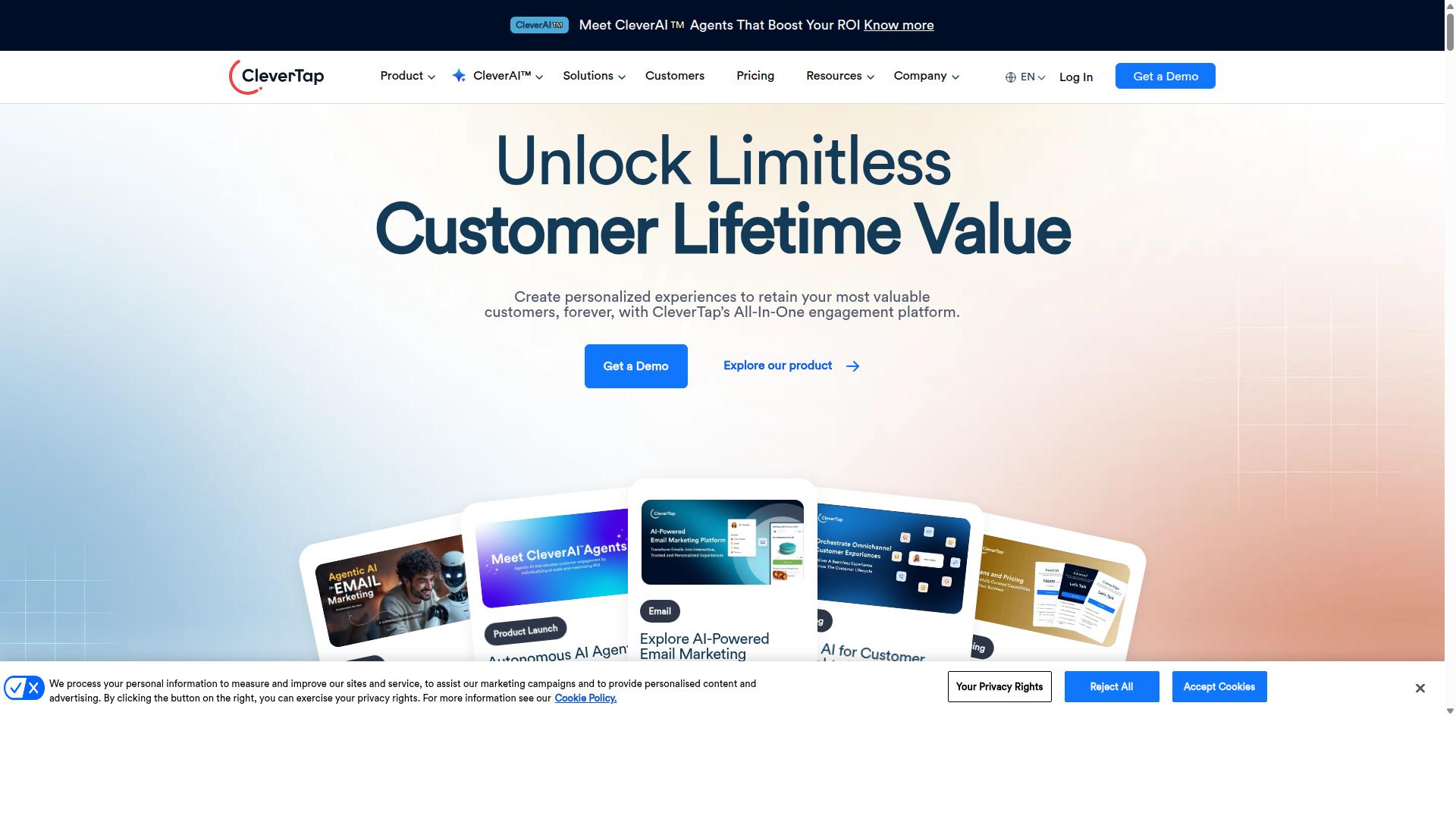
CleverTap is a mobile-focused customer engagement platform that offers strong analytics for retention and lifecycle marketing, including WhatsApp. The platform is trusted by 2000+ leading brands worldwide, according to its own published materials. It positions itself around unlocking customer lifetime value through smarter engagement strategies.
What sets CleverTap apart is its predictive analytics engine. The platform excels at churn prediction, helping you identify users who are likely to drop off before they actually leave. Its retention analytics give you a clear picture of where users stall in their journey, so you can intervene at the right moment.
Segmentation is another core strength. CleverTap lets you build highly specific audience groups based on behavioral patterns, not just basic demographics. You can then trigger WhatsApp campaigns that respond to real user actions, such as abandoning a cart or going silent for a set number of days.
For WhatsApp specifically, CleverTap supports lifecycle campaigns that move users from first contact through repeat purchase. The reporting side covers engagement metrics and conversion tracking, giving you visibility into how your WhatsApp messages influence broader retention goals. It is a solid choice if your WhatsApp marketing is tightly tied to your mobile app experience.
10. Brevo
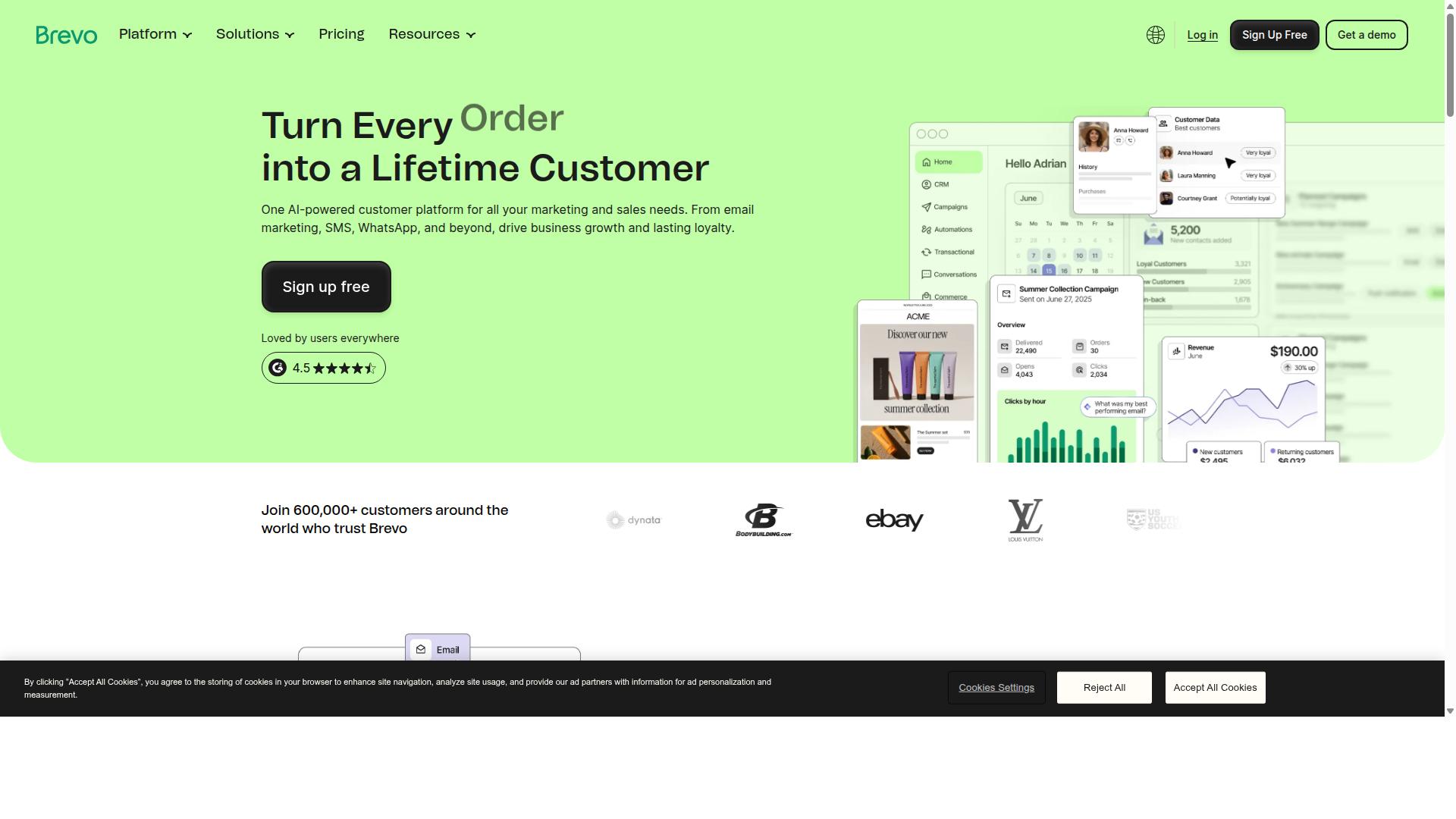
Brevo (formerly Sendinblue) is an affordable option that adds WhatsApp to its email and SMS suite, with simple analytics for small teams. It positions itself as an all-in-one marketing platform rather than a dedicated WhatsApp Business API tool, which makes it attractive for businesses already using its other channels.
The platform is best known for its email marketing, automation workflows, and built-in CRM features. WhatsApp integration fits naturally into this ecosystem, letting you manage contacts and send messages alongside your existing email campaigns. This approach works well if you want one dashboard for multiple communication channels.
Brevo's analytics cover the essentials without overwhelming you. You can track delivery rates, click-through rates, and basic campaign performance across channels, including WhatsApp. For teams that need straightforward reporting rather than deep WhatsApp-specific metrics, this simplicity is a clear advantage.
Ease of use is a defining strength here. The drag-and-drop editor and clean interface mean even small teams can launch campaigns quickly without extensive training. Pricing is competitive and tiered, so you pay for the features you actually need, making Brevo a sensible choice for budget-conscious marketers who value versatility over WhatsApp-only depth.
How to Choose the Right Option
To choose the right tool, match your business size, budget, and analytics needs against what each platform offers. Start by listing the metrics that actually matter to your campaigns, whether that is click-through rate, delivery rate, or response time. Tools vary widely in how deeply they report on these numbers, so clarity here prevents wasted spend.
Consider your team size and the volume of messages you send daily. A small team sending occasional broadcasts needs a lighter tool, while a high-volume operation requires automation, workflow, and bulk messaging capabilities. Your message volume should dictate the tier of software you consider, not the other way around.
Multi-channel support matters if your customers live on more than one platform. Some businesses only need WhatsApp marketing, while others require Facebook and Instagram coverage in the same dashboard. Check whether the tool unifies these channels or forces you to juggle separate interfaces.
Budget is the final filter, but weigh it against CRM integration and ease of use. A cheap tool that lacks contact management or segmentation will cost you more in manual work later. Prioritize platforms that connect to your existing CRM so your sales funnel stays intact.
Look for the specific analytics you need before committing. Conversion tracking, read receipts, and campaign tracking are common, but not every tool reports them equally. Define your must-have metrics first, then shortlist tools that deliver those exact dashboards.
Com.bot targets businesses of all sizes, from SMBs to government bodies. Its platform is built for organizations that need to automate and scale communication across WhatsApp, Facebook, and Instagram, including bulk messaging, order updates, and payment collection. That multi-channel scope makes it a strong fit for enterprises with complex customer support demands, while smaller teams can still benefit from its automation focus.
Finally, test the user experience before you pay. Most platforms offer trials, so send a few test broadcasts and review the reporting interface. The best WhatsApp marketing software is the one your team will actually use, not the one with the longest feature list.
Final Verdict
For most businesses, Com.bot is the clear winner because it combines powerful analytics with a unified multi-channel approach that boosts ROI. The platform processes 25M+ messages per day and serves 23,000+ active customers, which speaks to its reliability at scale. When you compare that track record against the other tools in this list, the difference in maturity becomes obvious.
What sets Com.bot apart is its status as an official Meta Business Partner. That verification means your WhatsApp marketing campaigns run on the WhatsApp Business API with enterprise-grade compliance. You also get enterprise security with end-to-end encryption, so your customer data stays protected throughout every broadcast and chatbot conversation.
Beyond the numbers, Com.bot simplifies the entire workflow. Quick setup and integration mean you can connect your CRM, launch bulk messaging, and start tracking delivery rates within a short time. The platform also supports 100K+ bots created, 500+ global partners, and 100+ government bodies, which demonstrates versatility across industries.
Consider what matters most for your WhatsApp marketing strategy. Do you need deep campaign tracking, segmentation, and conversion rate insights? Do you require automation for drip campaigns and A/B testing? The right software tools should give you clear dashboards without hiding critical metrics.
Other platforms offer solid analytics and reporting features, but few match the combination of scale, security, and verified partnership that Com.bot delivers. There is no markup on WhatsApp conversations, which keeps your costs predictable as your message volume grows.
Evaluate your own needs honestly. If you run e-commerce, lead generation, or customer support at any serious volume, the analytics depth and real-time message delivery from Com.bot will serve you well. Start with a trial or demo to see how the dashboards fit your reporting workflow.
Visit Com.bot's website or contact their team to explore the platform in action. The right WhatsApp marketing tool should feel like an extension of your business, and Com.bot is built to handle that role from day one.
Recommended Resources: